Thermal Power Project
High Efficiency | Low Emission
Chandrapura
Bokaro, Jharkhand
Project Location
₹20,886.4 Crore
Estimated Investment
(Approx.)
Brownfield
Expansion
Leveraging Existing Infra
About the Joint Venture
DVC-CIL Power Private Limited is a strategic 50:50 joint venture between Damodar Valley Corporation and Coal India Limited, created to strengthen India’s power infrastructure through reliable, efficient, and future-ready energy generation.
The venture brings together DVC’s legacy in power generation and regional development with Coal India Limited’s strength in fuel security and resource management. Together, the partnership aims to develop a 2 x 800 MW ultra-supercritical thermal power project at Chandrapura, Bokaro, Jharkhand, supporting energy security, industrial growth, and sustainable regional development.
DVC is India’s first multipurpose river valley project, a statutory body under the Ministry of Power, Government of India. As of 31 March 2025, DVC has a total generation of 6687.2 MW [6540 MW (thermal) + 147.2 MW (hydro)] and owns and operates extensive T&D assets in Jharkhand and West Bengal.
CIL, a Maharatna central public sector enterprise, is the single largest coal producer in the world and in pursuance of initiatives towards diversifying its existing business portfolio and ventures into power generation to ensure energy security of the nation.
From the Chairman Desk
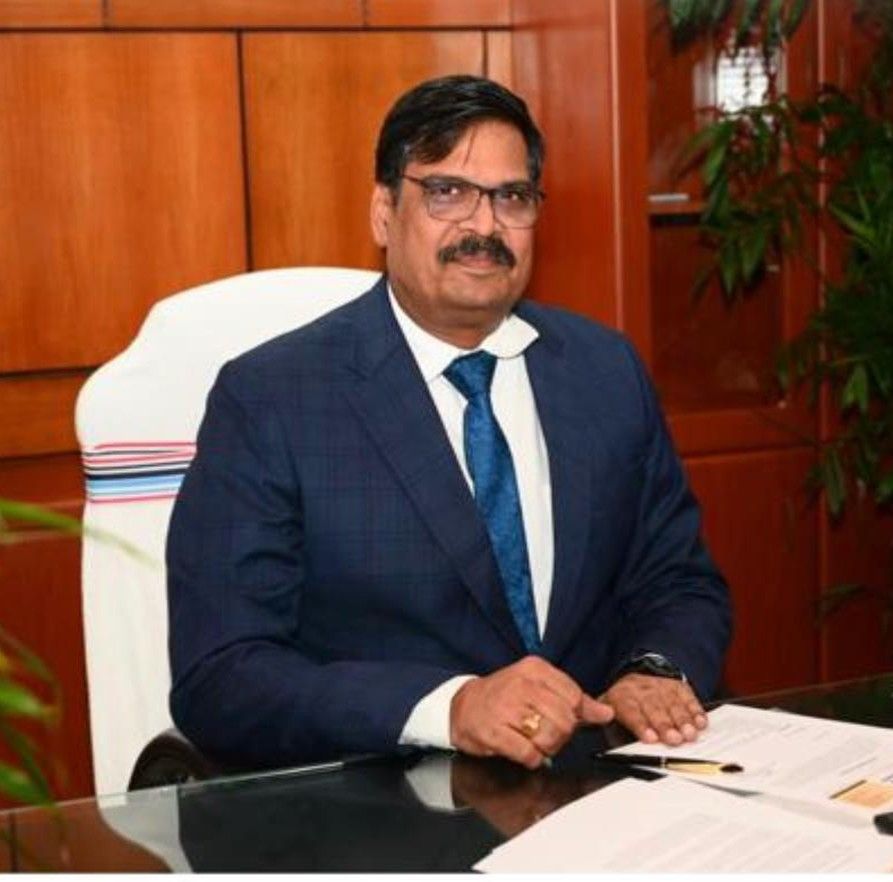
Our goal is to build reliable and efficient power infrastructure that contributes to industrial growth, regional development, and the country’s progress. We are committed to working with honesty, safety, environmental responsibility, and transparency while creating long-term value for our stakeholders and supporting India’s journey towards a stronger and more secure energy future.
Shri Asheesh Kumar
Chairman
DVC-CIL Power Private Limited
Strategic Importance
Power Security
Strengthens reliable power availability for industries, businesses, and communities.
PSU Synergy
Combines DVC’s power generation expertise with CIL’s resource strength.
Regional Growth
Supports development in Chandrapura, Bokaro, Jharkhand, and nearby industrial areas.
Faster Expansion
Uses existing brownfield infrastructure for practical and efficient development.
Project Overview
Project Capacity
2 × 800 MW ultra-supercritical units, with a total installed capacity of 1,600 MW.
Project Location
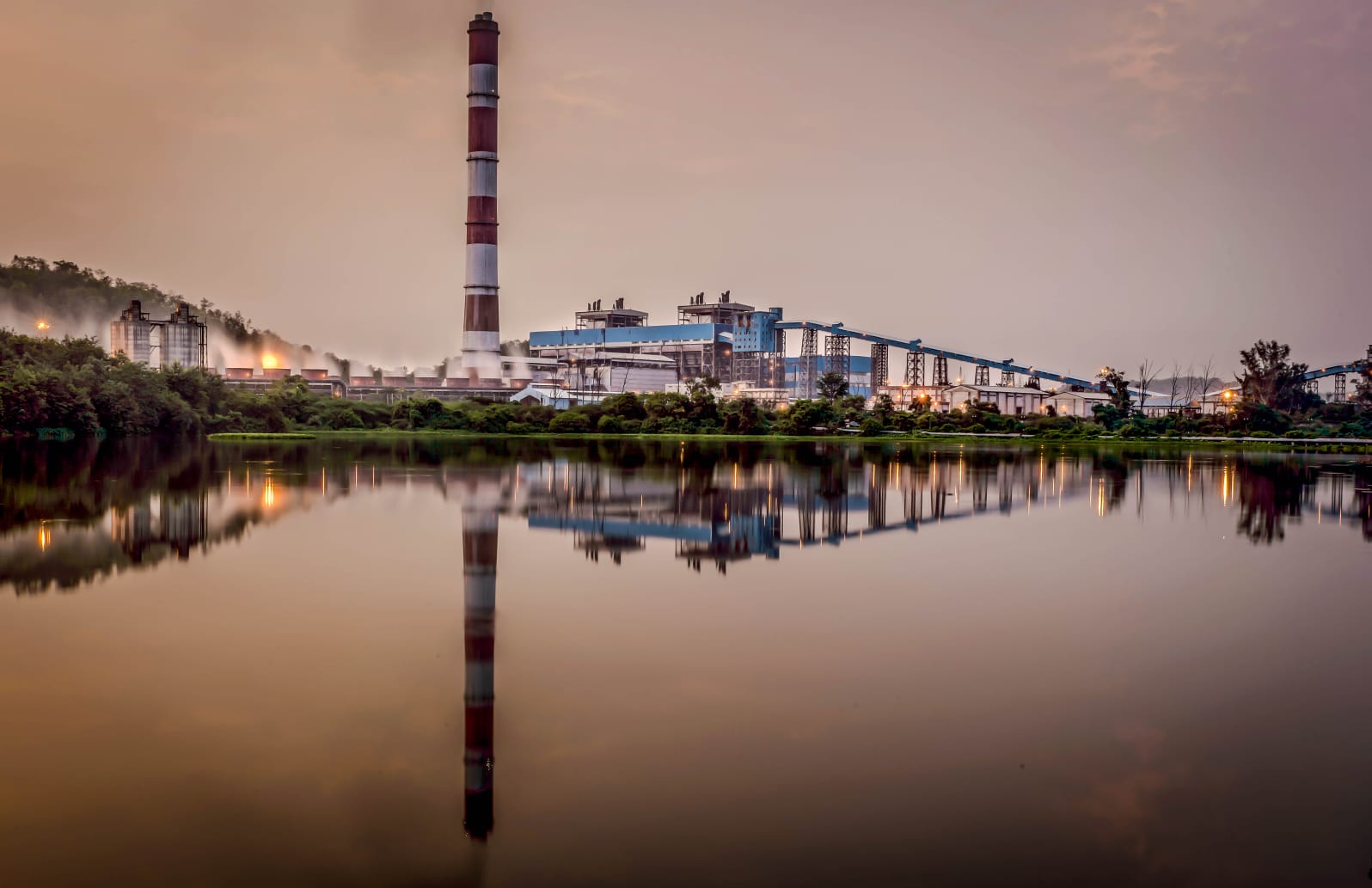
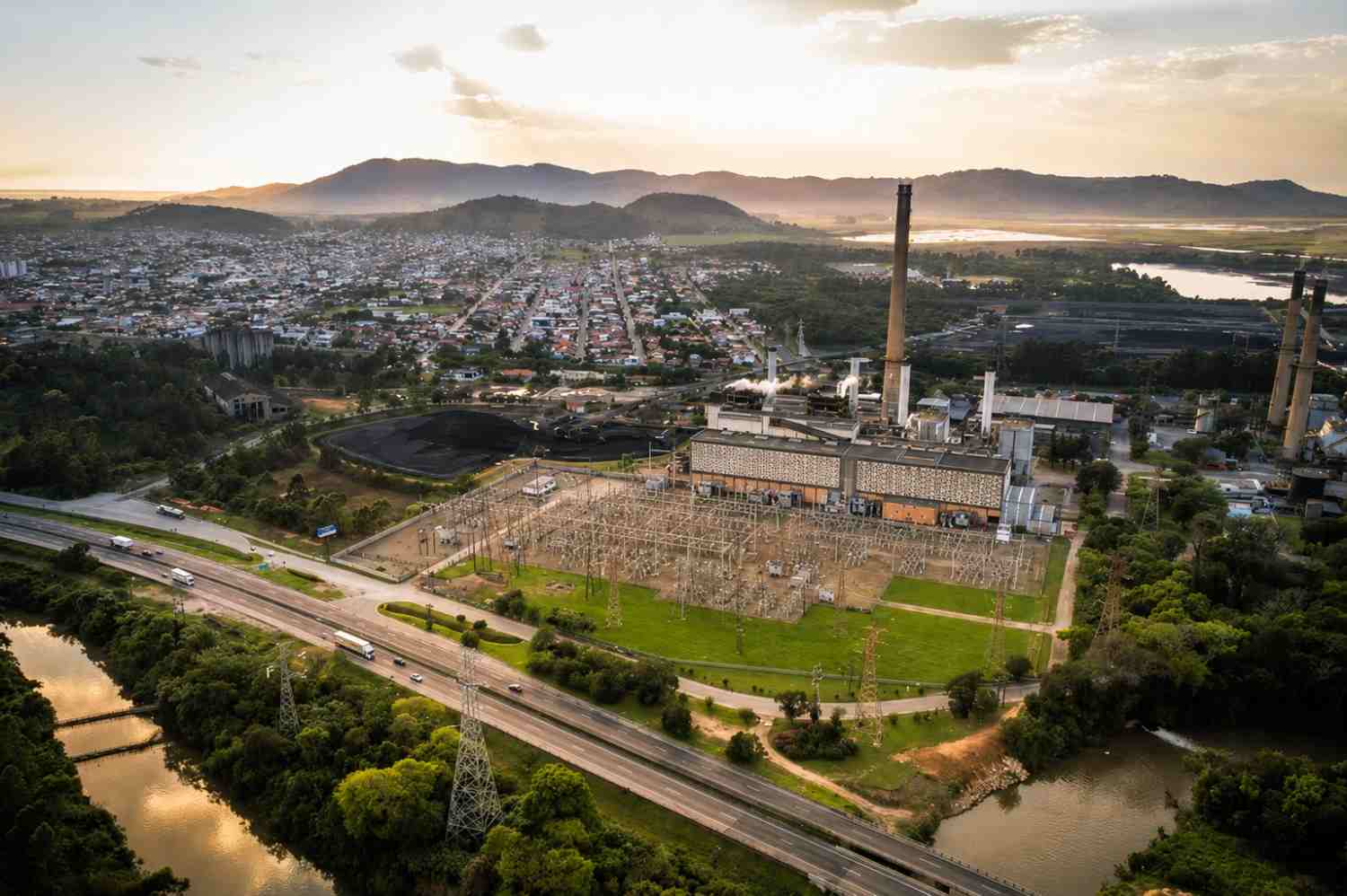
Located at Chandrapura Thermal Power Station in Chandrapura, Bokaro district, Jharkhand.
Project Type
Brownfield expansion of the existing Chandrapura Thermal Power Station.
Technology
Ultra-supercritical coal-based thermal power generation technology for efficient and reliable power generation.
JV Structure
A 50:50 joint venture between Coal India Limited (CIL) and Damodar Valley Corporation (DVC).
Project Status
The project is being developed as a strategic expansion to meet growing power demand and strengthen energy security.
Industries Served
Supporting Industrial Growth Through Reliable Infrastructure
Enabling power generation, transmission support, and by-product utilisation to strengthen regional industries and long-term economic development.
Power Generation
Supporting reliable electricity production through high-capacity thermal power infrastructure.
Power Transmission
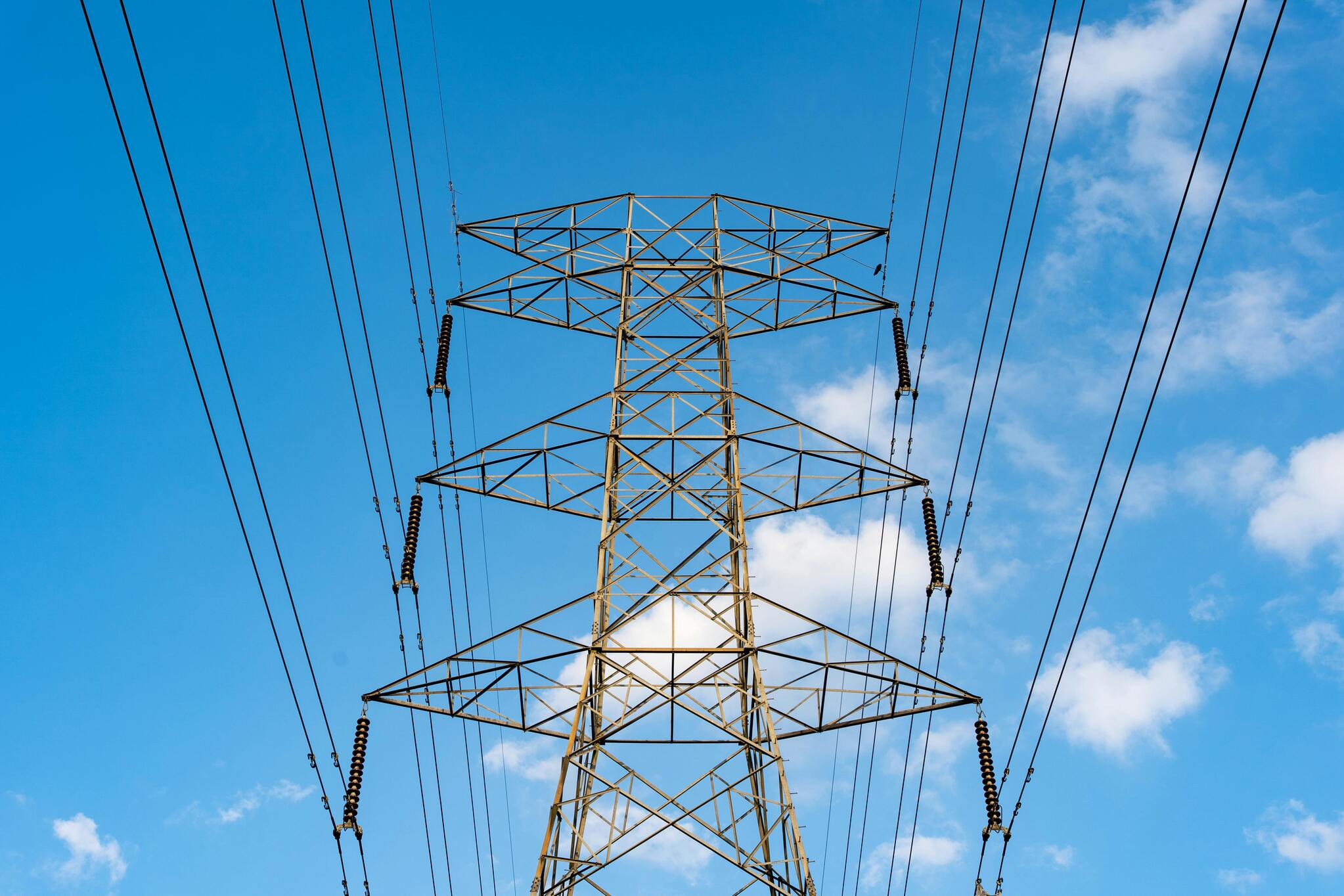
Strengthening the energy supply network for efficient distribution to industrial and regional users.
By-Product Utilisation
Enabling productive use of power plant by-products such as fly ash for cement, bricks, and infrastructure applications.
Sustainability & Environmental Responsibility
Lower Emissions
Use of ultra-supercritical technology to improve efficiency and reduce specific emissions.
Ash Utilisation
Responsible use of fly ash in cement, bricks, roads, and infrastructure applications.
Water Stewardship
Efficient water usage, recycling, treatment, and responsible management of water resources.
Pollution Control
Adoption of modern systems for air quality, dust control, and emission monitoring.
Afforestation
Developing a green belt around the project, which will act as a carbon sink.
Impact of the Project
MW / Year
0
Power Contribution
Strengthening baseload energy capacity.
Crore
0+
Project Investment
Boosting infrastructure, vendors, and services.
Core Industries
0+
Industrial Ecosystem
State DISCOMs through PPA, cement & brick manufacturing
Jobs
0+
Employment Generation
Creating direct and indirect opportunities.
Acres
0+
Integrated Township
Employees’ residential facilities with recreation and public amenities.